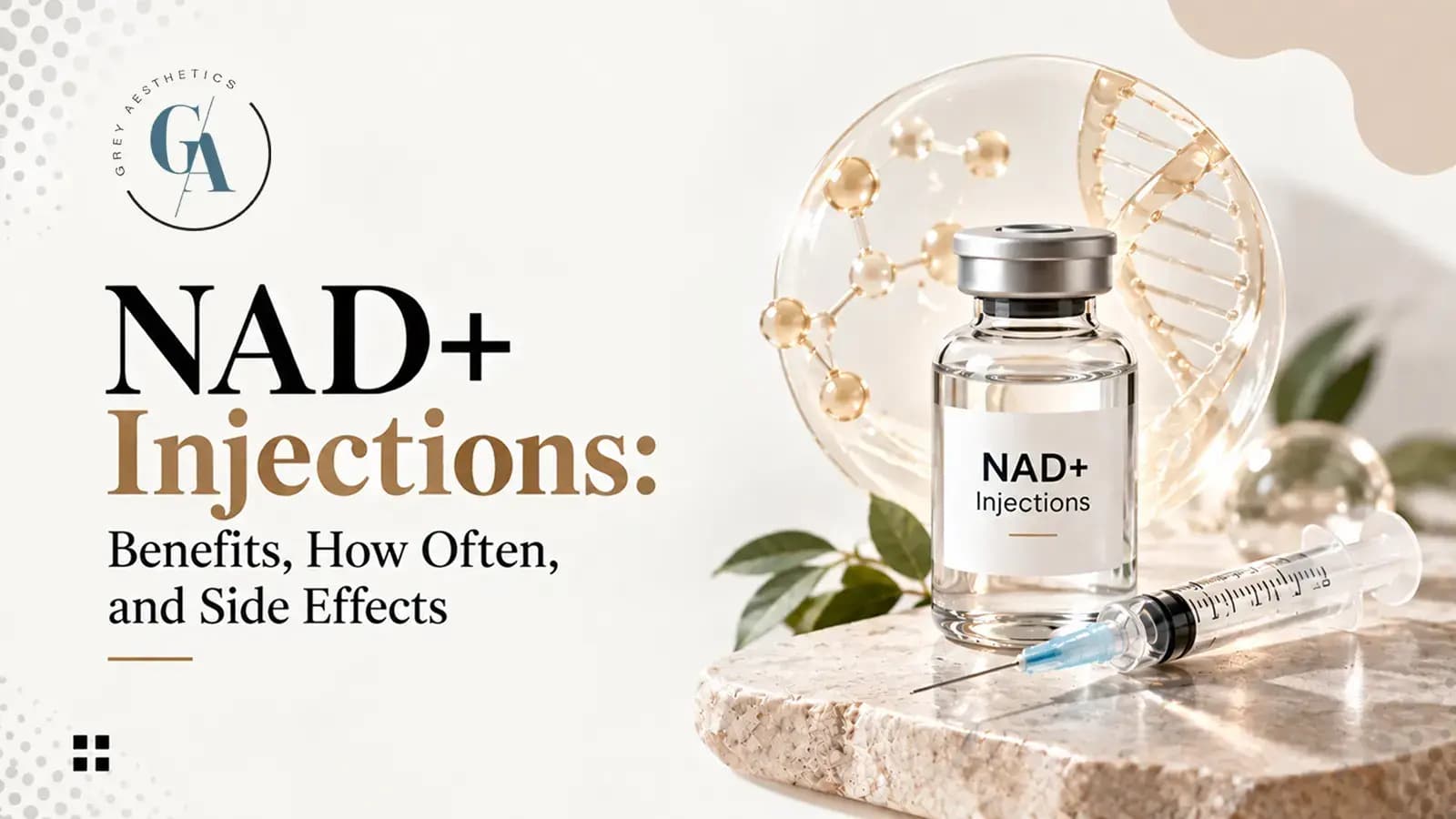
NAD+ Injections: Benefits, How Often, and Side Effects
Some compounding pharmacies schedule NAD+ injections up to three times a week during the loading phase, and skipping that early frequency is the single most common reason people feel underwhelmed by their first round of treatment.
NAD+ injections deliver a coenzyme your cells use to make energy, and interest in them has grown as regenerative medicine has moved from specialty clinics into mainstream wellness conversations.
This guide walks through what NAD+ injections are, how often people typically get them, and the side effects worth knowing before you book a session.
Quick Answer
NAD+ injections deliver nicotinamide adenine dinucleotide, a coenzyme involved in cellular energy metabolism and other important cellular processes. NAD+ therapy may be used as part of a wellness plan, but research on the clinical benefits of injectable NAD+ is still limited.
There is also no universally established dosing schedule for NAD+ injections. Some providers use an initial series followed by less frequent treatments, while others use different protocols based on the patient’s goals and response.
Possible side effects can include injection-site discomfort, flushing, nausea, headache, lightheadedness, or other temporary symptoms. Because injectable NAD+ may be compounded, product quality and appropriate sterile preparation are also important safety considerations.
What is NAD+ and why the growing interest?
NAD+, short for nicotinamide adenine dinucleotide, is a coenzyme found in every cell in the body, and it’s required for the chemical reactions that turn food into usable energy. Every mitochondrion in every cell needs it, which is why researchers treat it as central to metabolism rather than as some niche supplement ingredient.
Interest has grown partly because NAD+ levels are known to decline with age, a pattern documented across several tissue types, including the liver, skin, brain, plasma, and skeletal muscle, according to a review in Plastic and Reconstructive Surgery.
That same review notes that chronically low NAD+ shows up in accelerated aging disorders and age-related disease, which is part of why restoring it has become a serious research question rather than a passing trend. None of this means NAD+ injections reverse aging. What the evidence currently supports is more measured, and we get into that further down.
NAD+ also sits alongside other early adopter regenerative approaches, like Peptides in Newport Beach, which use targeted amino acid chains rather than a coenzyme to support recovery and metabolic function.
Both reflect a shift toward treatments that work with the body’s own repair processes instead of masking a concern on the surface, and it’s a shift patients are right to be curious about.
How do NAD+ injections work in your cells?
NAD+ injections deliver the coenzyme directly into the bloodstream or muscle, bypassing digestion so more of it reaches your cells intact.
Oral NAD+ is poorly absorbed on its own, which is why most supplement products actually use precursor molecules instead, while injections and IV infusions deliver the finished coenzyme itself.
It also acts as a cofactor for enzymes involved in processes such as DNA repair and cellular signaling. Because NAD+ is involved in so many cellular pathways, researchers are studying its potential role in aging, metabolism, inflammation, and other areas of health.
When NAD+ is administered intravenously or by injection, the body processes the compound through its own metabolic pathways. That does not necessarily mean that the injected NAD+ simply travels directly into cells unchanged.
In fact, a human pilot study examining IV NAD+ found that the infused NAD+ was rapidly removed from plasma and underwent metabolic processing.
This is one reason it is better to describe NAD+ therapy in terms of supporting NAD+-related cellular pathways rather than promising that an injection simply “recharges” cells.
What are the potential benefits of NAD+ injections?
NAD+ injections may support cellular energy production, and that’s the mechanism with the most direct biological backing given NAD+’s role in ATP synthesis.
Patients often describe this as feeling less drained by mid-afternoon rather than a sudden burst of stimulation, which tracks with steadier mitochondrial function rather than a stimulant effect.
A few other areas come up consistently in how providers and patients describe NAD+ injections for energy and beyond:
- Cognitive clarity: patients report less mental fog and better focus, plausibly tied to NAD+’s role in neuronal energy metabolism and DNA repair.
- Metabolic support: adequate NAD+ helps mitochondria process nutrients efficiently, which may support how the body handles metabolic demands.
- Recovery: because NAD+ supports cellular repair pathways, some people use it alongside training or after physical stress to support recovery time.
- Subtle enhancements to overall vitality, rather than dramatic transformation, which is the honest framing most patients should expect.
Each of these belongs under “may support” rather than “proven outcome.” These benefits work through a different mechanism than surface-level treatments that change appearance directly.
NAD+ therapy pairs naturally with other options in Regenerative Medicine in Newport Beach, including exosomes, which support tissue repair through a separate biological pathway, and with metabolic-support options like Skinny Shots in Newport Beach for patients focused on energy and metabolism together.
How often should you get NAD+ injections?
There is no single evidence-based schedule that applies to everyone. NAD+ treatment schedules can vary based on the route of administration, amount administered, treatment goals, medical history, and provider protocol.
Some wellness practices use a more frequent initial series followed by less frequent maintenance sessions. Other protocols may use a different schedule altogether.
Rather than assuming that three injections a week, weekly treatment, or monthly maintenance is right for everyone, your provider should determine the appropriate approach based on your individual circumstances.
What happens during a NAD+ treatment?
The experience depends on how NAD+ is administered. An injection may involve a brief needle stick followed by temporary soreness or discomfort at the injection site.
IV NAD+ is administered gradually through a vein. Infusion speed can matter because some people experience uncomfortable symptoms during treatment. A 2026 retrospective study of IV NAD+ reported symptoms including gastrointestinal discomfort, increased heart rate, and chest pressure during infusions. The symptoms resolved after the infusions ended.
Your provider can adjust the treatment approach if you experience symptoms during administration. If you are weighing an infusion against an injection, our guide to IV therapy in Newport Beach covers how the infusion appointment itself works.
What are the side effects of NAD+ injections?
NAD+ therapy can cause side effects, and the experience can vary depending on the route of administration and treatment protocol.
Possible reactions include:
- Injection-site soreness, redness, or bruising
- Warmth or flushing
- Nausea
- Headache
- Lightheadedness
- Gastrointestinal discomfort
- Changes in heart rate during IV administration
- Chest discomfort or pressure during IV administration
Not everyone experiences these effects, and many treatment-related symptoms are temporary.
However, injectable NAD+ also raises an important issue that is easy to overlook: the quality and preparation of the product matter.
The FDA has warned compounders about the use of inappropriate food-grade NAD+ ingredients in sterile injectable products. The agency has also reported adverse events following NAD+ injectable products, including severe chills, shaking, vomiting, and fatigue.
This makes it important to receive injectable NAD+ from a qualified medical provider using appropriately sourced and prepared products.
Are NAD+ injections safe, and is this right for you?
Yes, NAD+ injections are generally considered safe for most healthy adults when administered by a qualified provider, though mild side effects are common and a small subset of people should check with a physician first.
The most frequently reported reactions, injection site redness, soreness, or a warm flushing feeling, typically fade within one to three hours, according to testing.com’s review of NAD+ injection side effects.
Common versus less common reactions
- Common and mild: injection site redness, bruising, or soreness; brief flushing or warmth.
- Less common: nausea, headache, lightheadedness, fatigue, and, with faster IV infusions, chest tightness.
Anyone pregnant, managing a chronic condition, or taking medications that affect metabolism should discuss NAD+ therapy with a provider before starting.
Conclusion
NAD+ injections are an area of growing interest because NAD+ plays an important role in cellular energy metabolism and other biological processes. But the science is still developing, particularly when it comes to injectable NAD+ and specific wellness outcomes.
The goal should not be to follow a generic injection schedule or expect a guaranteed boost in energy or longevity. A personalized approach allows your provider to review your health history, discuss your goals, explain the potential benefits and limitations, and determine whether NAD+ therapy makes sense for you.
- NAD+ is a naturally occurring coenzyme involved in cellular energy metabolism, DNA repair, and other cellular processes.
- NAD+ therapy is being studied for healthy aging, metabolism, energy, and other wellness applications.
- The biological role of NAD+ is well established, but many proposed benefits of NAD+ injections have not been conclusively demonstrated in human clinical trials.
- There is no universally established schedule for NAD+ injections. Treatment frequency should be individualized.
- Possible side effects include injection-site discomfort, flushing, nausea, headache, lightheadedness, and other temporary symptoms.
- Product quality and sterile preparation are important considerations for injectable NAD+ therapy.
- A consultation is the best way to determine whether NAD+ therapy is appropriate for your goals and health history.
If you’re considering NAD+ injections and want to learn whether they’re right for you, schedule a consultation with Grey Aesthetics in Newport Beach.
Our team will discuss your goals, review your health history, answer your questions, and help you determine whether NAD+ therapy is a good fit for your wellness plan.
Frequently Asked Questions
Is NAD+ therapy the same as an anti-aging treatment?
Can NAD+ injections help with brain fog specifically?
Do NAD+ injections hurt?
What happens if you stop NAD+ injections after the loading phase?
Are NAD+ injections regulated by the FDA?
How is NAD+ different from taking an oral supplement?
Should someone on medication avoid NAD+ injections?
Keep Reading
Related Articles

Best IV Therapy in Newport Beach, CA: Benefits & What to Expect
How IV therapy works, which benefits hold up, and what to expect at your appointment.
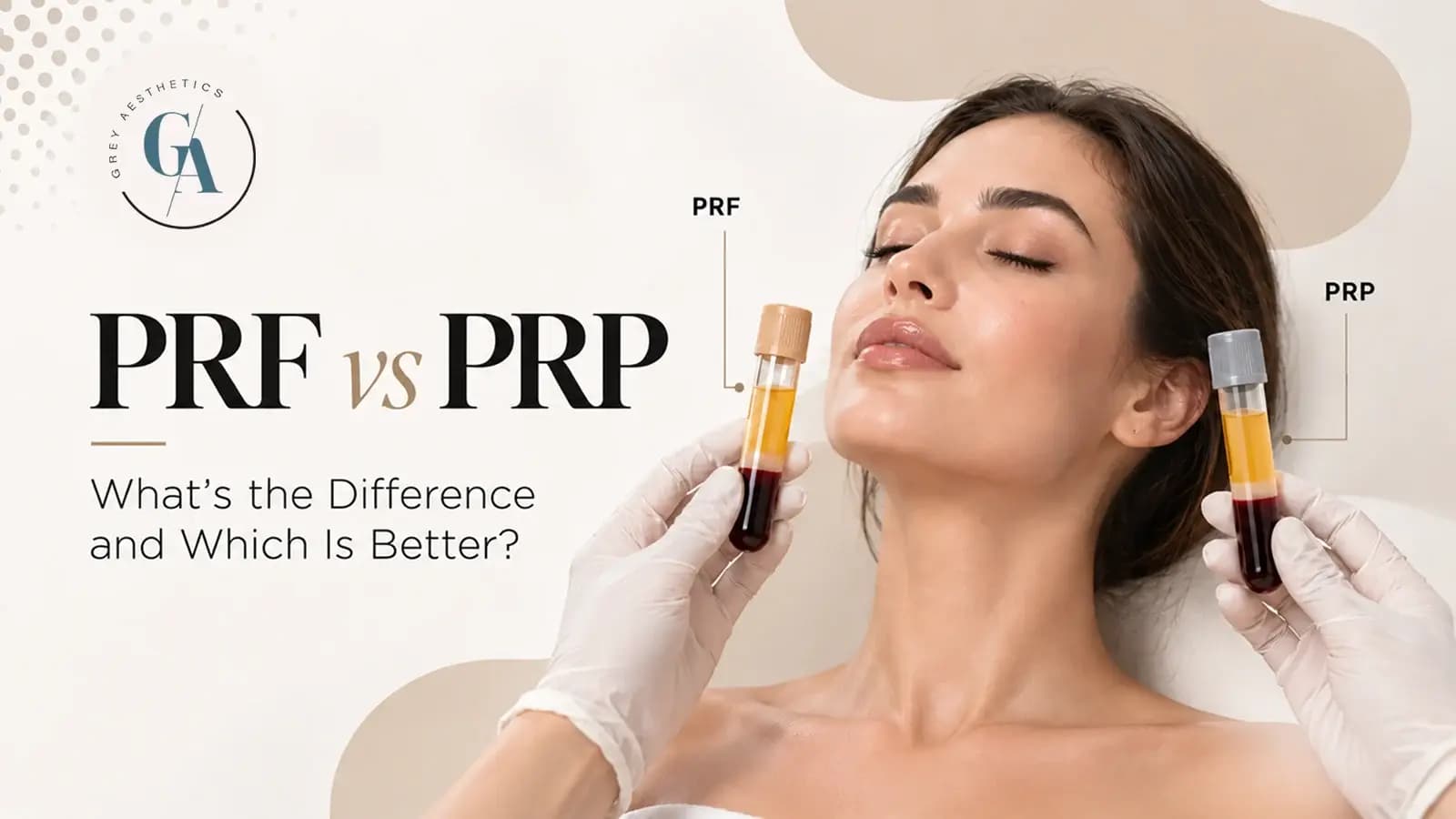
PRF vs PRP: What's the Difference and Which Is Better?
Both use your own blood, but spin speed and fibrin change onset, longevity and sessions.

Medical Weight Loss: How It Works & What to Expect
GLP-1 medications, lab monitoring and visit cadence, plus the results trials actually show.
Start Here
Wondering if NAD+ therapy is right for you?
Book a consultation and the Grey Aesthetics team will review your goals and health history, and give you an honest read on whether NAD+ belongs in your plan.