PRF vs PRP: What's the Difference and Which Is Better?
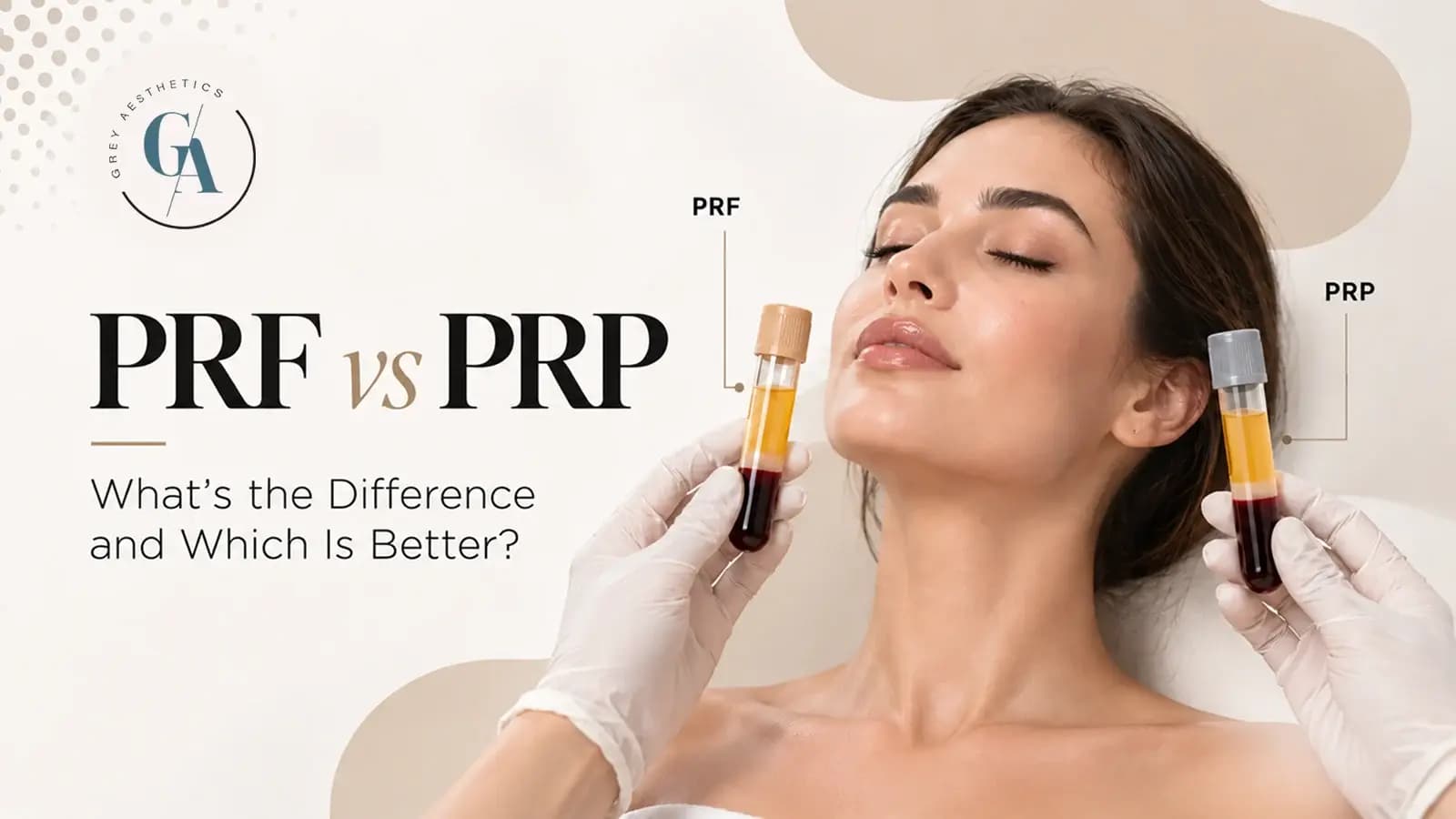
If your skin looks flat, hollow, or tired despite your usual routine, you are likely dealing with slowed collagen turnover, and PRP or PRF (both made from your own blood) are the two regenerative fixes worth understanding before you book either one.
PRF (platelet-rich fibrin) and PRP (platelet-rich plasma) both trigger collagen repair using your own blood, but the spin speed, fibrin content, and release rate of growth factors set them apart. PRF suits subtle enhancements and slower collagen remodeling. PRP works faster, which is why it is the go-to for hair restoration and volume touch-ups. At Grey Aesthetics, we pick between the two based on what the patient actually needs, not a fixed protocol we run on everyone.
Both sit inside a wider push toward regenerative aesthetics: the idea that skin gets repaired from the inside instead of covered up from the outside. Regenerative medicine traces back decades, with cell transplantation and stem cell research building the groundwork long before PRP or PRF ever reached a med spa treatment room, according to a review published in PMC.
Anyone comparing PRF vs PRP is really asking a narrower question inside that bigger trend: which formulation of your own blood does more for your face, and for how long.
PRF vs PRP: what is actually different at the cellular level?
The two differ mainly in centrifuge speed and whether fibrin gets left intact, and that difference changes how long growth factors stay active in the skin.
- PRP gets spun at a higher speed, which separates out red and white blood cells and concentrates platelets into a thin liquid plasma.
- PRF gets a slower, briefer spin that leaves fibrin strands whole, so platelets end up sitting inside a gel-like scaffold rather than floating in liquid.
Why the spin matters
Think of PRP as a fast-release capsule and PRF as a slow-release one: same active ingredient, different delivery schedule.
- A faster spin strips out more material and gives you a purer, thinner platelet concentrate your body absorbs and uses quickly.
- A slower spin keeps white blood cells and fibrin in the mix, stretching growth factor release over several days instead of dumping it all at once.
Which treatment delivers better results, and for what?
| Time | PRP tends to show visible improvement faster. PRF builds more slowly but holds longer, so the right pick comes down to whether you want quick correction or gradual, structural change. |
|---|---|
| Target | For hair restoration and immediate volume support, PRP’s concentrated, fast-absorbing platelets give quicker feedback, often within a few weeks. For skin texture, fine lines, and the kind of subtle enhancement patients want without looking “done,” PRF’s slower fibrin breakdown keeps growth factors working over months rather than days. |
| Structuring | PRF earns its reputation in liquid facelifts: non-surgical volume and structure work built from a patient’s own blood rather than synthetic filler. Because the fibrin scaffold holds its shape briefly after injection, it can support mild volume restoration under the eyes or in the cheeks, though it will not match the immediate, sculpted lift of a filler. |
| Longevity | PRP’s effects on skin quality typically hold for a few months before another session is needed. PRF, thanks to its slower degradation, generally lasts longer between touch-ups, though the exact duration still depends on the treatment area and how the individual patient heals. |
Patients chasing that kind of definition alongside either treatment often layer in energy-based work too. We pair regenerative injections with technologies like AgeJET Plasma Skin Rejuvenation in Newport Beach, CA for patients wanting texture and tone improvement alongside biological repair.
What does the recovery and treatment timeline actually look like?
Both treatments happen in-office in under an hour, but PRF needs longer lab processing while PRP’s simpler spin gets you to injection faster.
- A typical PRP appointment involves a blood draw, roughly 10 to 15 minutes of centrifuge time, then injection, all in a single visit.
- PRF’s gentler spin cycle and fibrin-preserving process add extra processing minutes, and some providers run it through a second spin stage for facial applications.
What patients actually feel afterward
- Bruising, swelling, and tenderness show up with either treatment since both involve injections across treated areas.
- The PRF treated areas may feel tender or bruised, and patients treated under the eyes commonly get brief eyelid twitching for one to three days post-treatment.
- That kind of transient reaction is typical of fibrin-based injectables generally, not something unique to one provider.
How many sessions you will actually need
Most patients need a series, not a single session, to see meaningful results:
- PRP for hair restoration: often 3 to 4 sessions spaced a month apart, followed by maintenance visits.
- PRF for skin rejuvenation: typically 2 to 3 sessions over several months, since each treatment builds gradually on the last.
- Combination protocols: some providers layer PRP and PRF into the same series, leaning on PRP for faster feedback and PRF for sustained remodeling.
Grey Aesthetics, a physician-led med spa founded by Shannon Hunter, builds its regenerative consultations around the patient’s biology and goals rather than a fixed protocol. That is worth understanding before booking either treatment, as described on our About Grey Aesthetics page.
PRF vs PRP comparison table
| Criteria | PRF | PRP |
|---|---|---|
| Best for | Subtle enhancements, gradual skin remodeling, liquid facelift style volume | Hair restoration, faster-feedback volume and texture support |
| Standout capability | Fibrin scaffold sustains growth factor release over weeks | Higher platelet concentration delivers a faster initial response |
| Key limitation | Longer in-office lab processing time; slower to show initial change | Shorter-lived effects on skin quality; requires more frequent maintenance |
PRF
PRF’s defining trait is the fibrin scaffold holding platelets and white blood cells together after a gentler centrifuge spin, which extends how long growth factors stay active in treated tissue.
It is the format most associated with liquid facelifts and subtle enhancement, since results build gradually instead of arriving all at once.
The real limitation is patience. If you want visible change within days, PRF’s slow-release biology will frustrate you.
PRP
PRP’s defining trait is a higher-speed spin that concentrates platelets into a liquid form your body absorbs and puts to work quickly, which is why it remains the standard for hair restoration protocols.
We offer PRP as part of our regenerative medicine services, using it to stimulate the body’s own collagen production and cellular repair, as described on our Regenerative Medicine in Newport Beach, CA page.
The trade-off is durability: with no fibrin scaffold to slow things down, PRP’s skin-quality effects tend to fade sooner, so you are back in the chair more often to hold results.
Which is genuinely better?
Neither wins outright.
- If your goal is gradual, natural-looking rejuvenation with results that hold longer between sessions, PRF is the stronger fit, particularly for under-eye hollows and general skin quality.
- If your priority is hair restoration or a faster initial response with a simpler in-office process, PRP is the more proven, faster-acting option.
Patients chasing both fast and lasting change often end up combining the two across a treatment series, which is worth raising directly with your provider.
Final conclusion
PRF and PRP are both regenerative treatments that use components of your own blood, but they offer different approaches to skin and hair rejuvenation. PRF is designed around a fibrin matrix that supports a gradual release of growth factors, making it an option for patients seeking subtle, progressive skin remodeling. PRP, with its liquid platelet-rich formulation, is commonly used when a faster initial response is desired, particularly in hair restoration.
There is no single treatment that is right for everyone. Your ideal approach depends on your treatment area, goals, timeline, and how your provider evaluates your individual needs. Some treatment plans may also incorporate both PRP and PRF at different stages.
At Grey Aesthetics, treatment is approached with the goal of matching the regenerative option to the individual rather than following a one-size-fits-all protocol. Whether you are interested in improving skin quality, addressing under-eye concerns, supporting hair restoration, or exploring gradual regenerative rejuvenation, the Grey Aesthetics team can help you understand the differences between PRP and PRF and discuss the approach that best aligns with your goals.
- PRF’s fibrin scaffold stretches out growth factor release for gradual, longer-lasting remodeling; PRP’s higher platelet concentration acts faster but wears off sooner.
- Reach for PRF with subtle enhancement, liquid facelift volume, and under-eye hollows; reach for PRP when hair restoration or quick feedback is the priority.
- Expect temporary bruising and swelling from either treatment, though PRF’s lab prep takes longer than PRP’s simpler spin.
- Lean PRP for speed, lean PRF for durable and natural-looking change, and if you want both, many patients combine the two across a series, a call best made with a provider who will actually walk through your goals with you.
Frequently Asked Questions
Can you combine PRF and PRP in one treatment?
Which is better for under-eye hollows?
Do results last longer with one over the other?
Is one safer than the other?
What should I ask my provider before choosing either treatment?
Why do some providers push one option over the other?
Keep Reading
Related Articles
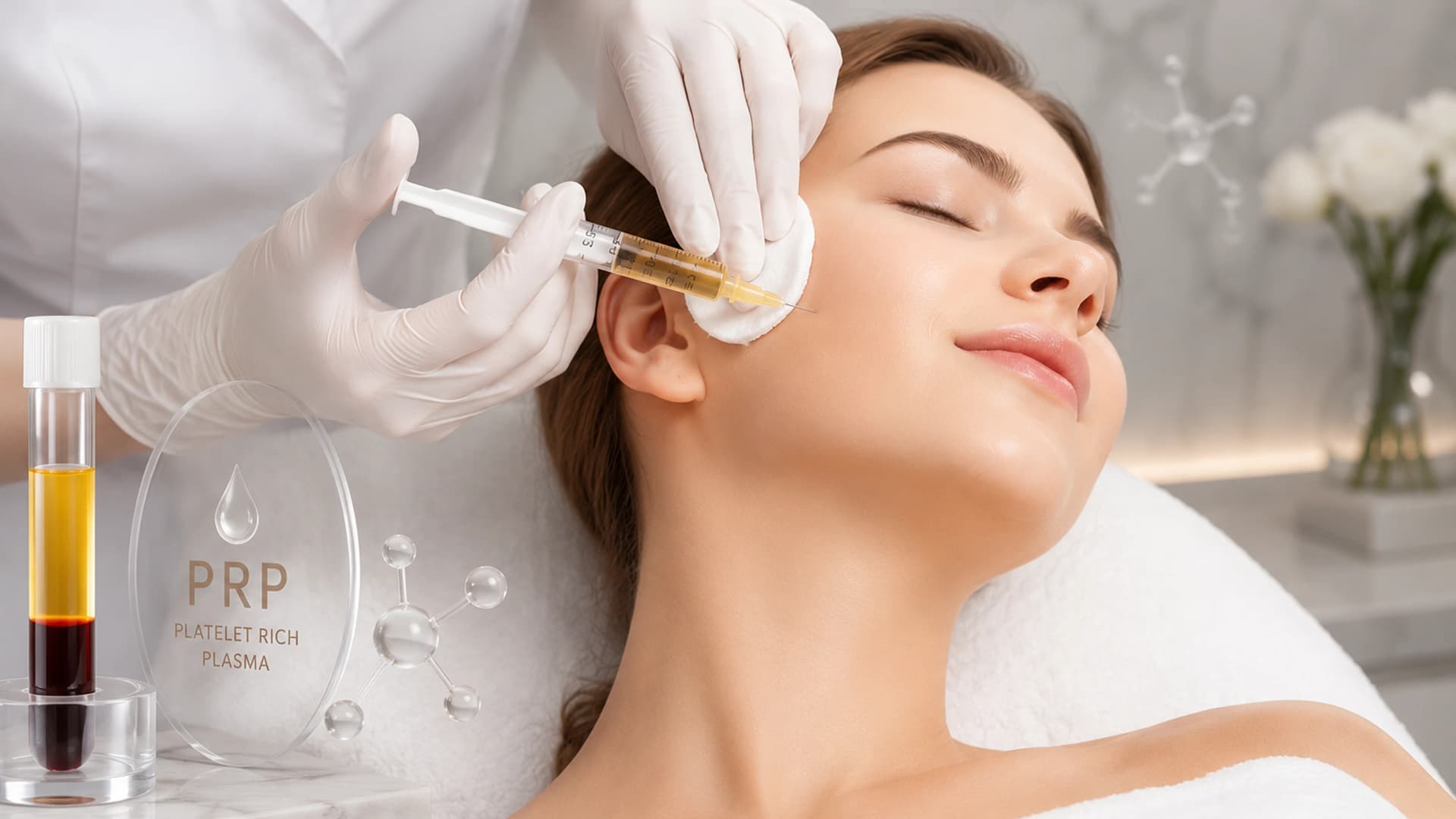
PRP Facial in Newport Beach: What to Expect
How platelet-rich plasma stimulates collagen, and what results patients actually see.
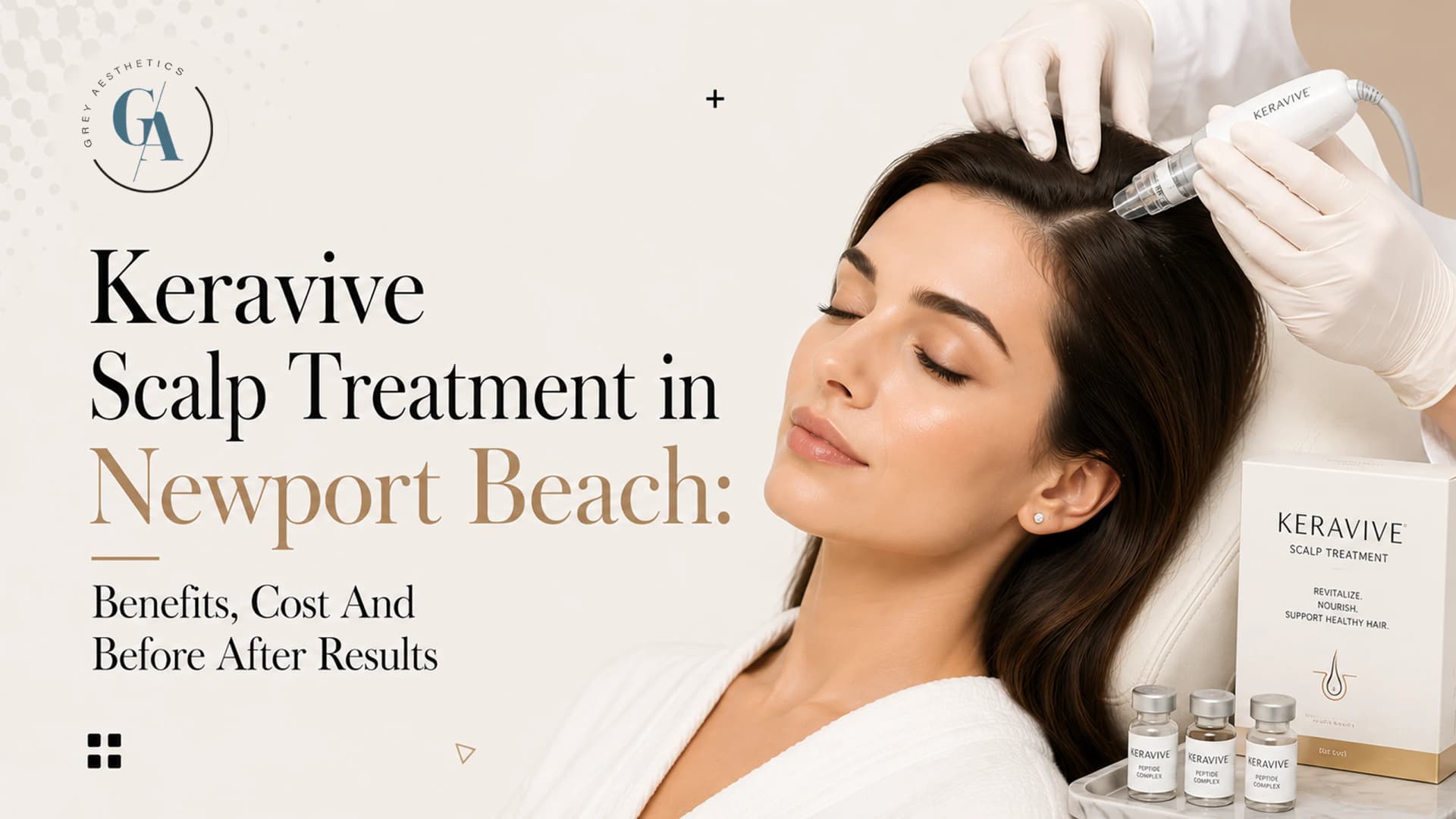
Keravive Scalp Treatment in Newport Beach
How scalp health treatment supports hair restoration and what a session involves.

Skin Rejuvenation in Newport Beach: Your Options
Compare resurfacing, regenerative, and energy-based options for tone and texture.
Start Here
Weighing longer-lasting change against a faster first result?
Book a consultation with Grey Aesthetics and get a straight answer on which format fits your skin, your timeline, and your budget.