Chemical Peels in Newport Beach, CA: Before & After Results

Chemical peels can help improve common skin concerns like acne scars, uneven skin tone, sun damage, fine lines, and rough texture. But one of the biggest questions people have before getting a peel is what their skin will actually look like afterward.
The answer depends mostly on the type and depth of the peel. Some lighter peels have little to no downtime, while stronger peels can cause several days of redness, flaking, and peeling before you start seeing results.
In this guide, we’ll explain what to expect before and after a chemical peel, how long recovery usually takes, when you may see results, and what to know before getting a chemical peel in Newport Beach.
Quick Answer: What to Know About Chemical Peels
A chemical peel is a skin resurfacing treatment that uses an acid solution to remove damaged outer layers of skin. It can help improve concerns like uneven skin tone, acne scars, sun damage, fine lines, and rough texture.
- Light peels can have little to no downtime
- Medium peels usually involve around 5 to 10 days of recovery
- Peeling and flaking are often most noticeable around days 3 to 5
- Light peels can make skin look smoother and brighter within a few days
- Medium peels may take 2 to 4 weeks to show more noticeable improvement
- The right peel depends on your skin type, skin concerns, and how much downtime you can manage
A stronger peel isn’t always a better peel. The goal is to choose the right depth for your skin and the results you want.
What actually happens to your skin during a chemical peel?
A chemical peel works through controlled injury. An acid solution destroys a specific layer of skin cells, which triggers your body to grow smoother, more even-toned skin in their place. A topical acid removes damaged surface skin and pushes new cell turnover underneath, and that mechanism is the whole story of how a peel works.
The depth of the peel plays a big role in both your results and recovery. A light peel works on the outer layer of the skin and usually has little downtime. A medium peel goes deeper and can help with concerns like uneven tone, sun damage, and acne scars, but it also requires more recovery time. Deep peels reach even further and involve a much longer healing process.
Superficial versus medium versus deep
A superficial peel targets only the stratum corneum, the thin dead-cell layer you shed naturally anyway. That’s why glycolic acid peels feel gentle and need almost no downtime. A medium peel reaches the papillary dermis, where fibroblasts manufacture collagen, and this is why TCA (trichloroacetic acid) peels can visibly soften acne scars and sun damage in a way a light peel just can’t touch.
The acids doing the work
Glycolic acid, an alpha-hydroxy acid derived from sugar cane, dissolves the bonds between dead skin cells and suits sensitive or maturing skin well. Salicylic acid, a beta-hydroxy acid, is oil-soluble, so it slips into clogged pores and calms active acne.
TCA is the workhorse for medium-depth resurfacing, the agent most associated with real remodeling rather than a surface glow. Dermatologic literature consistently finds that results and complications both scale with depth: deeper peels give more dramatic change but carry a higher chance of pigment shifts or scarring, particularly in darker skin tones or after excessive sun exposure.
That one fact drives almost every decision a good provider makes about which peel to recommend. If you want to see how a peel fits alongside other facial treatments, our chemical peels in Newport Beach, CA page walks through how depth and agent get matched to concerns like melasma or acne scarring.
How long does recovery actually take, and what should you prepare for?
Recovery takes anywhere from zero downtime for a light peel to one to two weeks for a medium peel, with days three and four typically looking the worst. Most patients need one to two weeks to heal fully, with peeling peaking mid-recovery rather than right after treatment, which is why the middle of the week catches people off guard.
Day-by-day recovery: week one
- Day 1: Redness, tightness, mild tingling (sunburn-like).
- Day 2: Skin may look deceptively normal.
- Days 3–5: Visible flaking begins, often around the mouth and nose first. This is when most patients second-guess the procedure.
- Days 6–7: Flaking slows; new skin underneath looks pink but smooth.
One scheduling mistake we see constantly: patients book a medium peel four or five days before a wedding, a headshot session, or a big trip, then call us on day three wondering why they look worse instead of better.
We tell every medium-peel patient to plan for at least ten days of buffer before anything camera-facing, and we send them home with clear aftercare guidance — a gentle cleanser, a fragrance-free moisturizer, and a mineral SPF — so they’re not standing in a drugstore aisle on day two trying to guess which products are safe.
Week by week through month one
Redness from a medium peel usually fades within one to two weeks. Deeper peels can take longer to fully heal. You can typically wear makeup again once the peeling has stopped, usually after about five to seven days.
Your skin will also be more sensitive to the sun while it heals. Use SPF 30 or higher every day and avoid too much direct sun exposure. Protecting your skin during recovery helps prevent irritation and unwanted pigmentation.
What actually helps versus what sets you back
- Soap-free, fragrance-free cleansers washed in cool water, not hot
- Water-based moisturizer applied generously (this slows premature flaking, which sounds counterintuitive but actually protects the new skin)
- No retinoids, exfoliating acids, or waxing near the treatment area until fully healed — commonly two to four weeks before and after treatment
- No gym sessions or heavy sweating for at least 48 hours, since sweat can irritate compromised skin
Most people return to normal activity the same day after a superficial peel. A medium peel is a different commitment: real peeling, real redness, and a week where you’ll probably want to work from home. Before booking, read through about Grey Aesthetics to see how our clinical team approaches treatment planning.
What results can you realistically expect, and when will you see them?
Results range from an immediate glow after one light peel to significant improvement in acne scars, hyperpigmentation, and fine lines after a series of medium peels spaced weeks apart. A single glycolic peel brightens skin almost right away because it strips off dulling dead cells, but that effect is cosmetic and temporary.
Medium peels work on a slower clock. Because TCA reaches the dermis, where collagen gets made, the real transformation unfolds over two to four weeks as new collagen remodels the skin from underneath. Think of it like renovating from the studs versus repainting a wall: the paint job shows immediately, but the studs are what actually hold the structure up long-term.
A patient treating post-acne scarring often sees textural smoothing begin around week two, with tone evening out further into week four as pigment cells turn over. Depth gets matched to the concern rather than maximized for drama, and improvement builds across a series instead of arriving in one dramatic reveal.
Hyperpigmentation and melasma typically need three to six sessions spaced four to six weeks apart to fade meaningfully. Fine lines respond faster to a single medium peel but keep improving as collagen continues building. If you’re also weighing skin-remodeling treatments, microneedling in Newport Beach, CA often gets paired into a longer-term plan since both work on the same collagen timeline.
You can see that same pattern of gradual, natural-looking change across other treatments in our before & after gallery, where the emphasis stays on refinement rather than overnight transformation.
Which chemical peel is right for your skin, and how do you avoid the common mistakes?
The right peel depends on your skin type, your specific concern, and how much downtime you can tolerate.
| Concern | Best-suited peel | Typical downtime |
|---|---|---|
| Sensitive skin, maintenance | Glycolic (light) | None to 1 day |
| Oily or acne-prone skin | Salicylic (light-medium) | 1 to 3 days |
| Acne scars, sun damage | TCA (medium) | 5 to 10 days |
| Mixed concerns, uneven tone | Combination peel | 3 to 7 days |
Before a chemical peel, your provider should check your Fitzpatrick skin type to understand how your skin reacts to the sun and your risk of pigmentation.
- If you have sensitive or reactive skin, a patch test may be done 24–48 hours before treatment.
- Your skin type and history help determine the right peel, from a light glycolic peel to a medium TCA peel.
- Avoid choosing a peel that is too mild for your concern, or too strong for your skin.
- Always use sunscreen after a peel to protect your skin and prevent new pigmentation.
- Don’t pick or peel flaky skin, as this can lead to irritation or scarring.
- Before treatment, ask what acid will be used, why it’s recommended, how many sessions you may need, and how the provider manages darker skin tones.
If you’re also weighing injectables for fine lines, our Botox in Newport Beach guide lays out a comparable recovery profile, since the two treatments solve different problems on different timelines.
Conclusion
Chemical peels can do a lot for uneven tone, sun damage, acne scars, fine lines, and rough texture. But the best results come from picking the right peel, not just the strongest one.
Light peels give you a quick glow with barely any downtime. Medium peels go deeper but need more time to heal.
If you’re thinking about a chemical peel in Newport Beach, come talk to us at Grey Aesthetics first. We’ll look at your skin, hear what you’re hoping for, and help you pick the peel that’s actually right for you.
Key takeaways
- What matters for your outcome and downtime is peel depth rather than which acid brand gets marketed to you.
- The rough patches around day three to five are part of normal healing, not a red flag.
- Six weeks of diligent sunscreen use protects the collagen rebuilding your peel just triggered — skip it and you risk undoing the work.
- Gradual, natural-looking results come from matching depth to your actual concern across a series, not from chasing instant drama with one deep peel.
- Unsure whether your acne scars, melasma, or fine lines call for a light, medium, or combination peel? Book a consultation through Grey Aesthetics’ contact page and get a straight answer on depth, timeline, and expected results before you commit to anything.
Book a complimentary consultation at Grey Aesthetics in Newport Beach.
The clinical team can look at your skin concerns, explain your chemical peel options, and help you choose the right peel based on your skin type, goals, and recovery time.
FAQs
Can you get a chemical peel if you have sensitive skin?
How often can you repeat a chemical peel?
Will your skin look worse before it looks better after a peel?
Is a chemical peel safe for darker skin tones?
What's the difference between a chemical peel and microdermabrasion?
How soon can you wear makeup after a peel?
Keep Reading
Related Articles
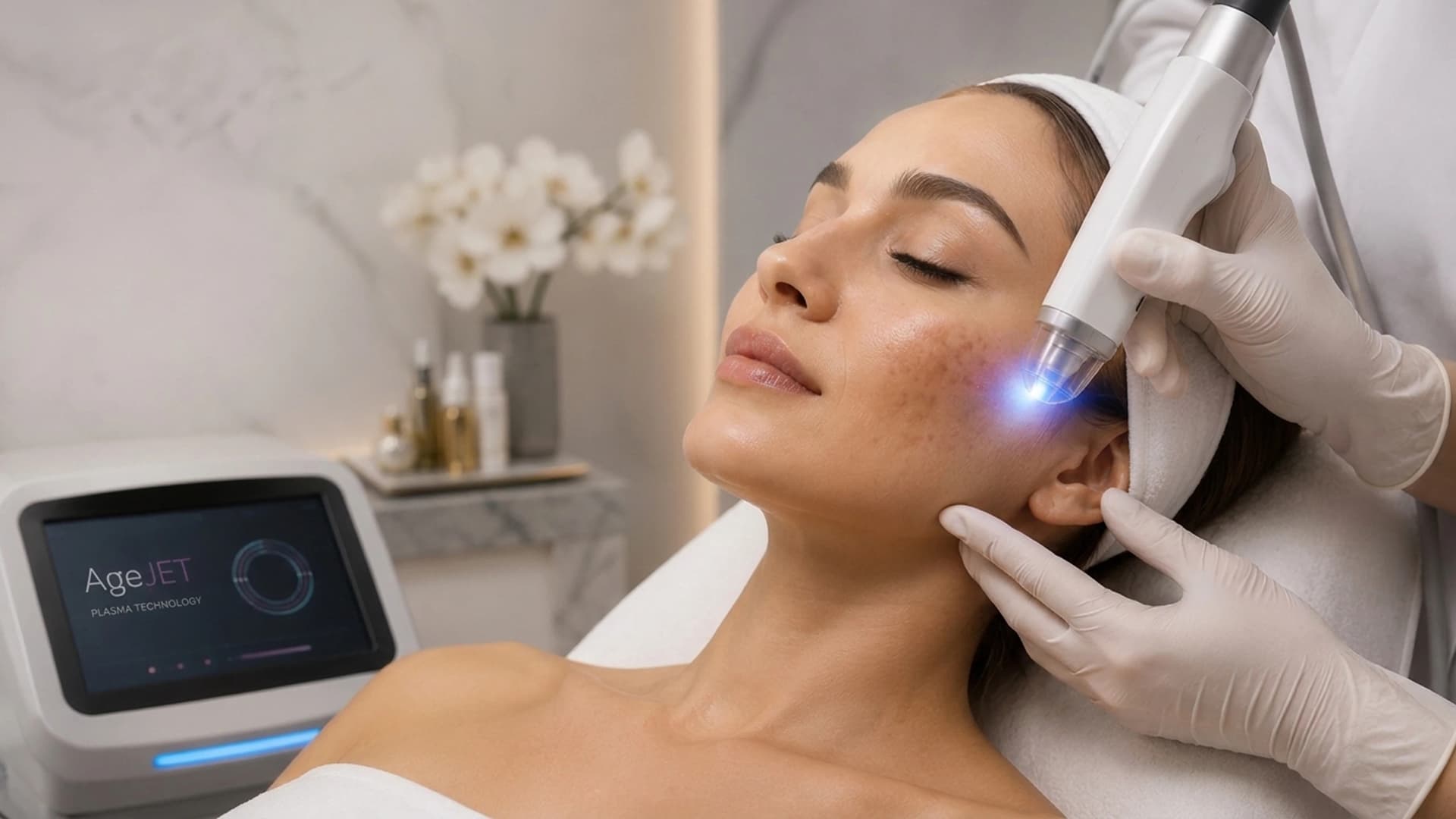
Hyperpigmentation Treatment in Newport Beach: Laser, AgeJET & Results
Laser, AgeJET, recovery, expected results, and personalized treatment options for uneven tone.
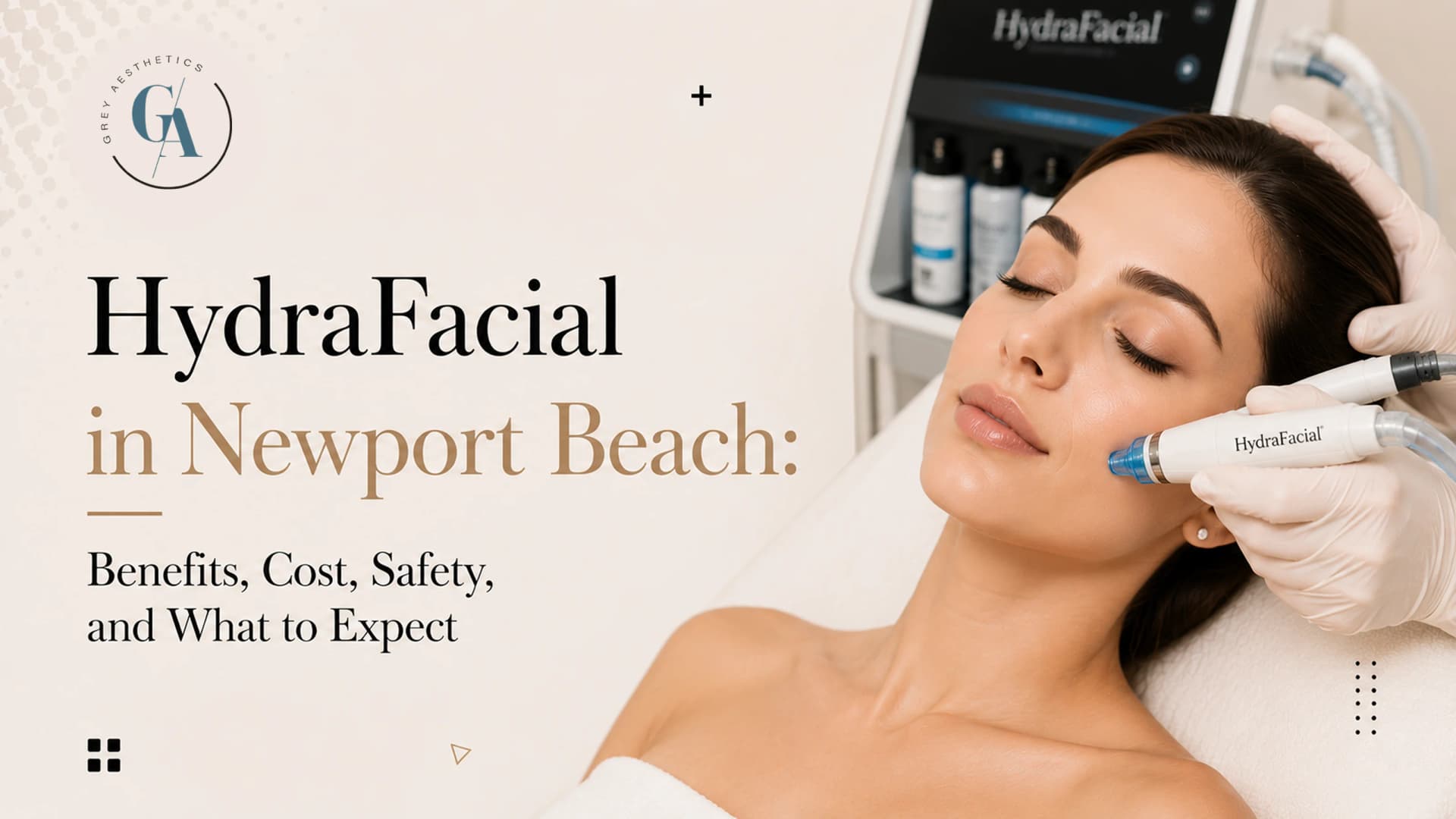
HydraFacial in Newport Beach: Benefits, Safety, and What to Expect
Deep cleansing, extraction, and hydration in one session with zero downtime.

Skin Rejuvenation in Newport Beach: Treatments & What to Expect
Compare AgeJET, LaseMD Ultra, and TriLift — what each treats, sessions, and downtime.
Start Here
Ready to find the right peel for your skin?
Book a complimentary consultation at Grey Aesthetics in Newport Beach. The clinical team can look at your skin concerns, explain your chemical peel options, and help you choose the right peel based on your skin type, goals, and recovery time.